A story of flavour, grit and a slightly mad amount of effort
Discover the full story
1870
Our story starts long before 1886

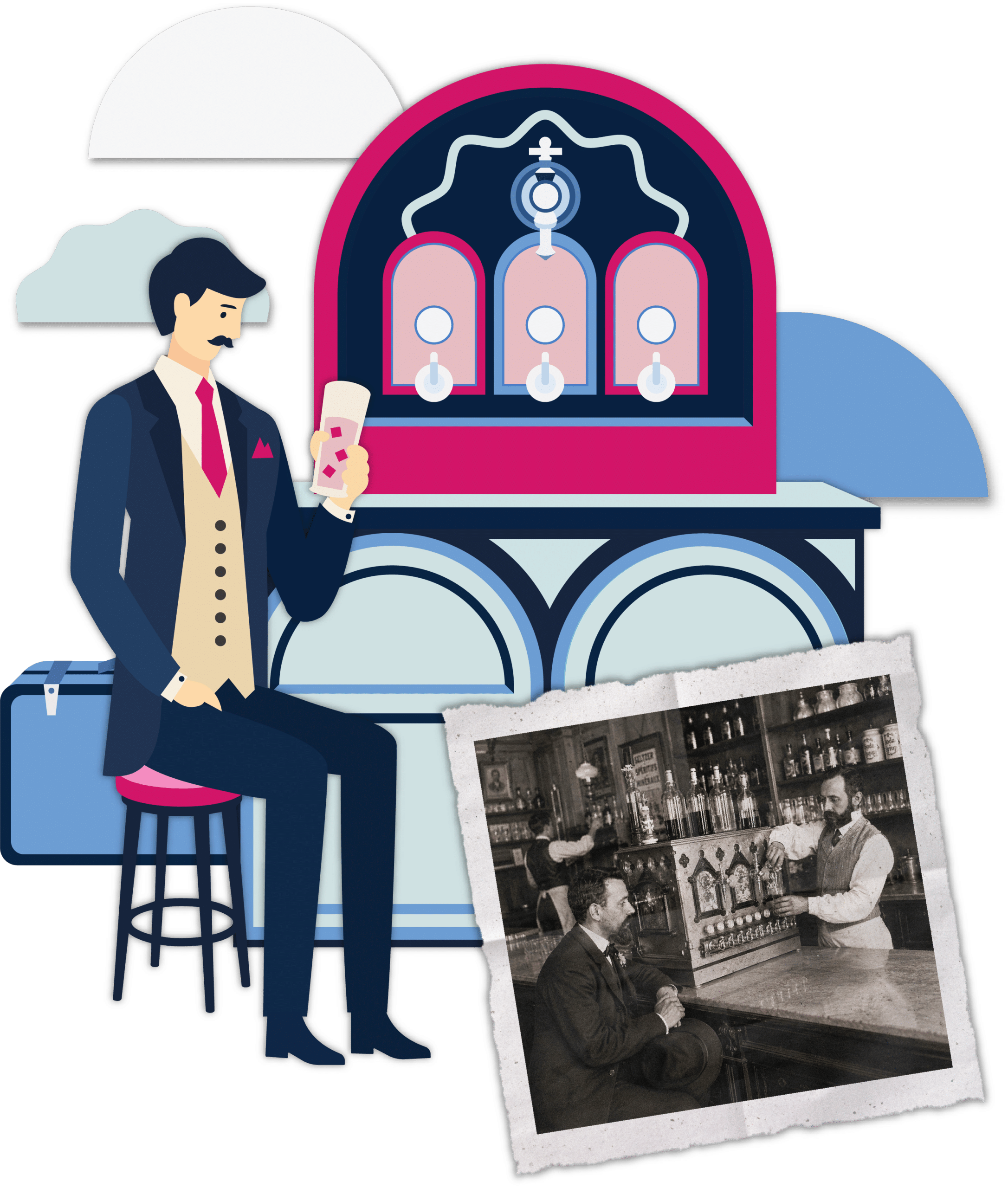
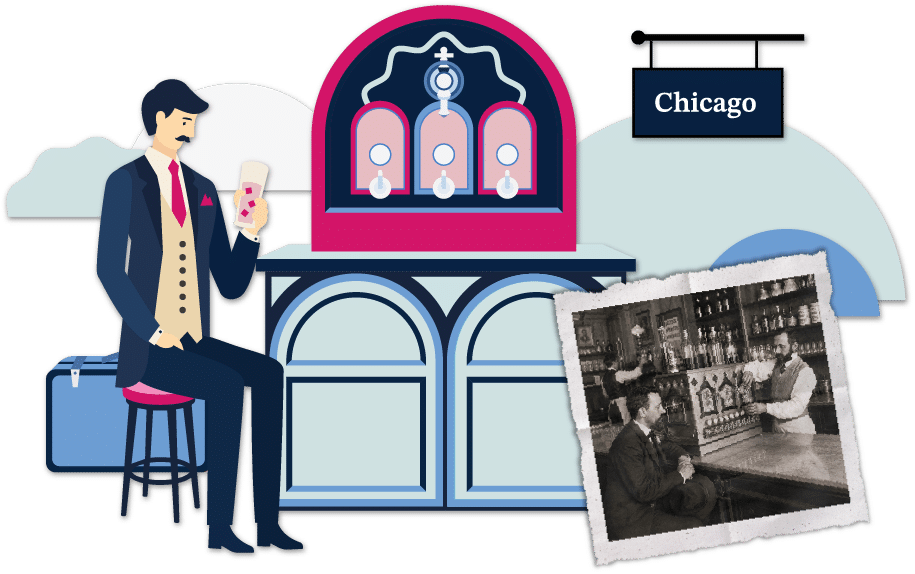
Fredrick Franklin went to America in search of something new.
He discovers the soda fountains of Chicago and knew he had to bring a part of that home to England.

1880
In the back of the family sweetshop, he created a Victorian flavour workshop
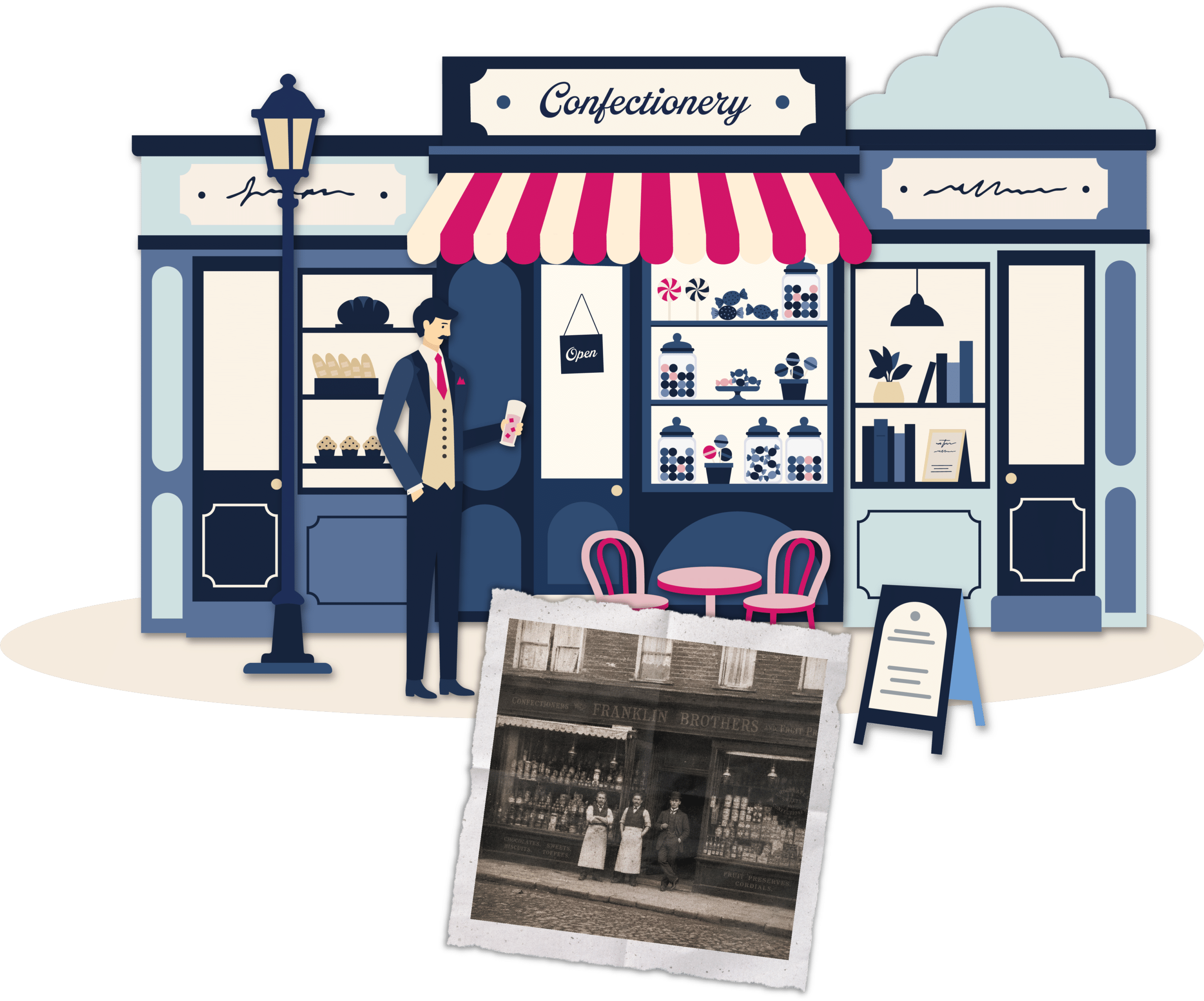
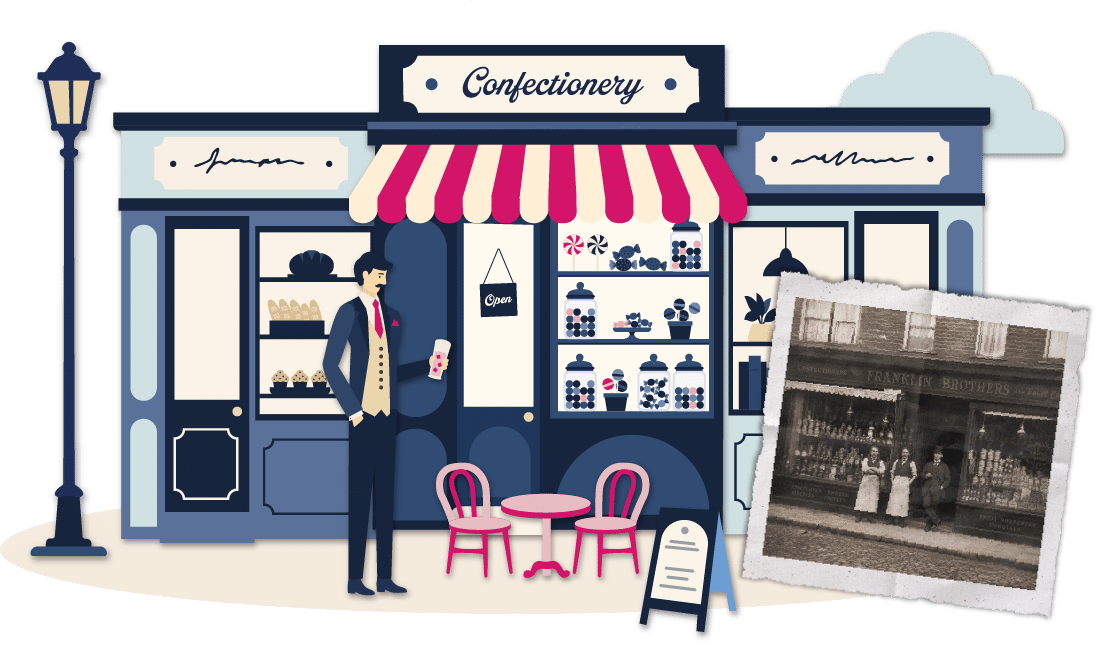
Using their knowledge as confectioners to trials sweetness, bitters and spices in their creations.
1886
Trial and error, perfecting their craft
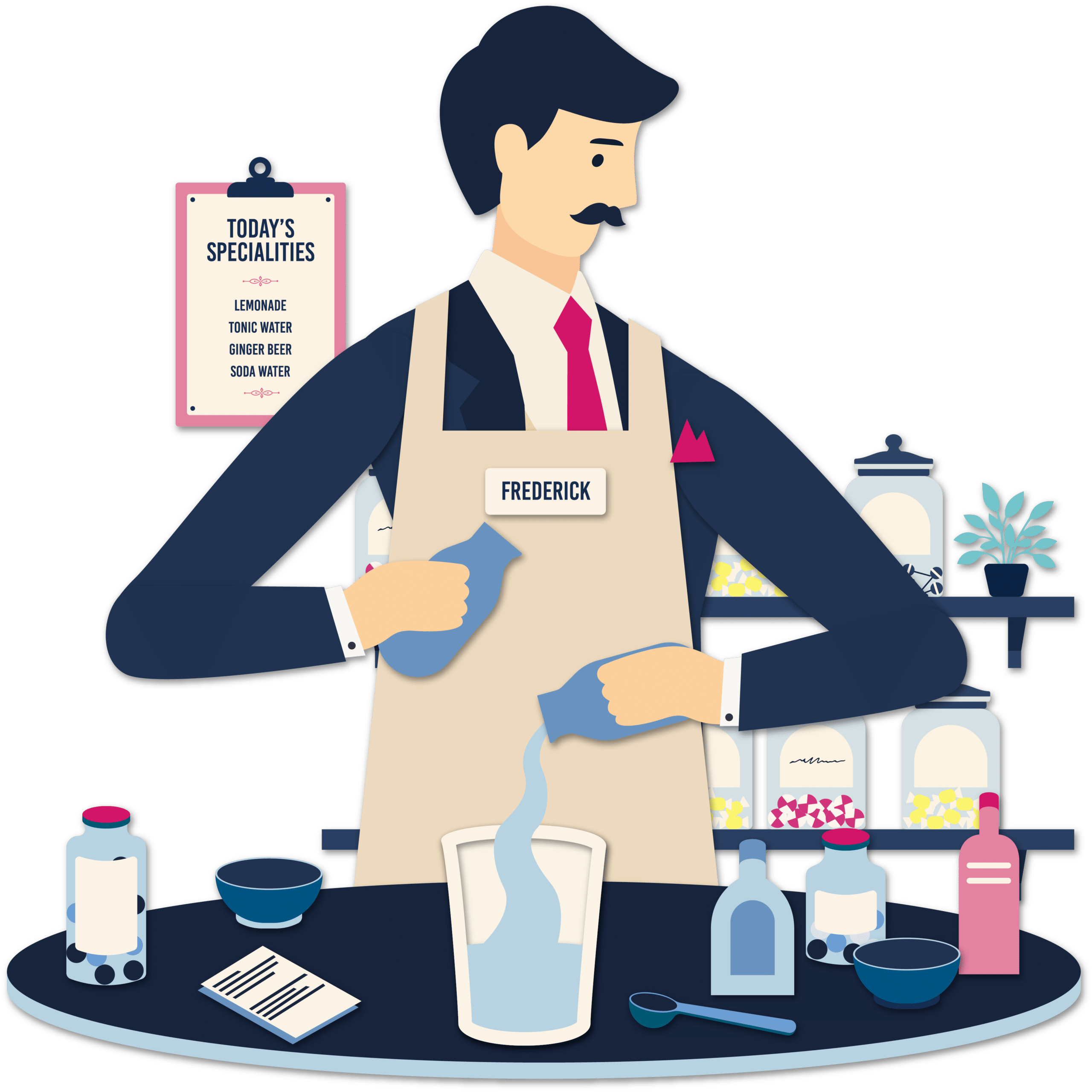
They were experimenting with flavour, fizz, and ways of created beautifully crafted soft drinks, which left to their official trademark being granted in 1886.
1891
Soon enough, the shop became too small
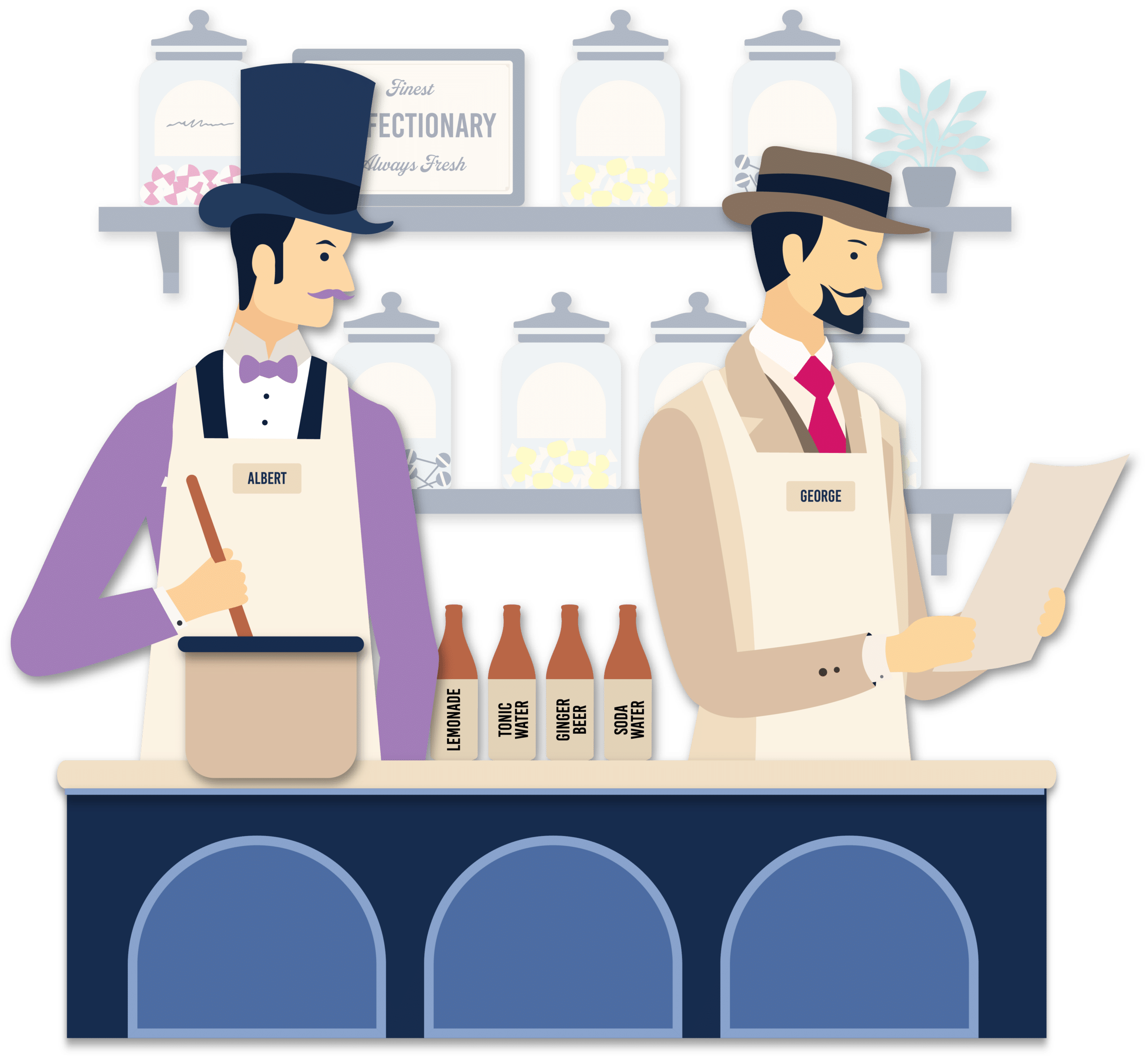
So, the brothers moved to a larger space and started producing at real scale.
1895
Then they sailed to India because the ginger wasn’t good enough
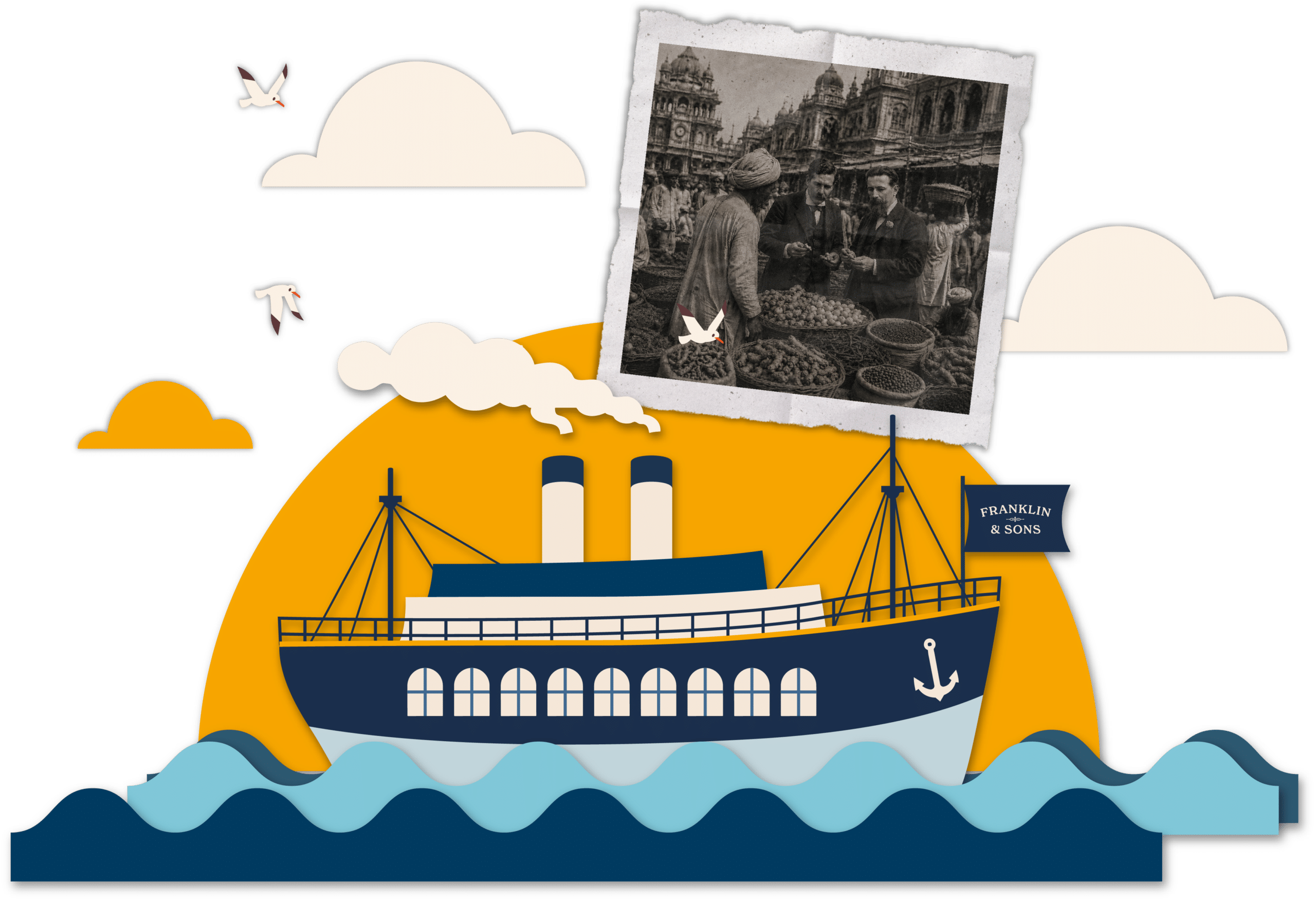
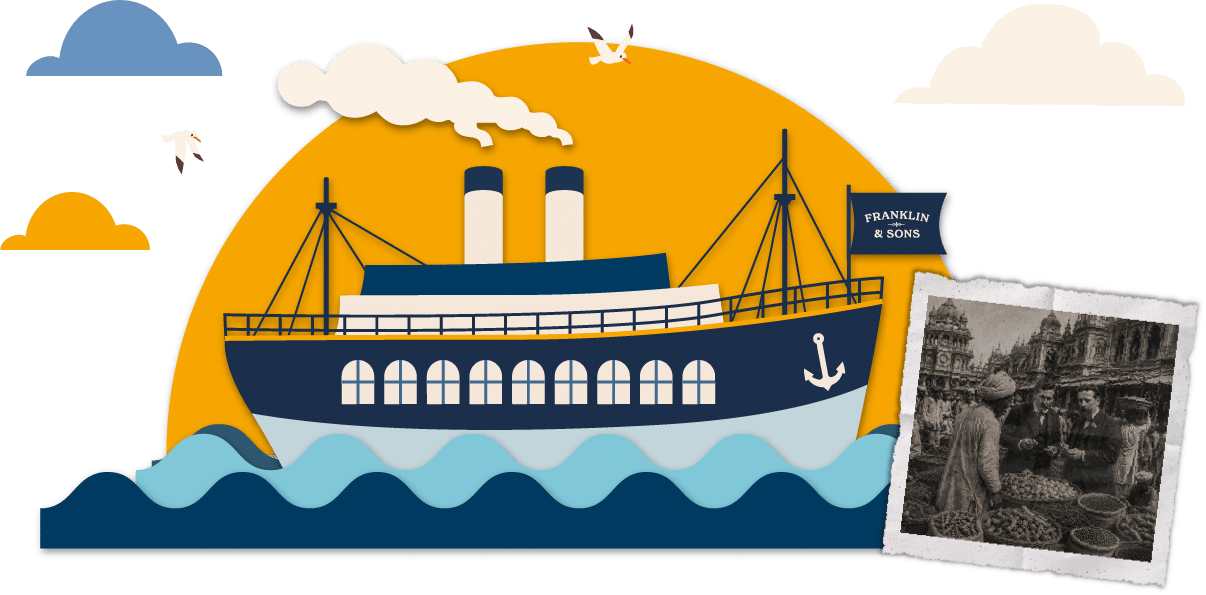
Fast forward a couple of years, and the brothers found the spices in London just wasn’t good enough. They decided to take a short trip, across the sea, to India and found the best ginger they could… This was important to ensuring the quality of the liquid. Quality which is still just as important to us today.
1905
Ginger beer, but under pressure in every sense
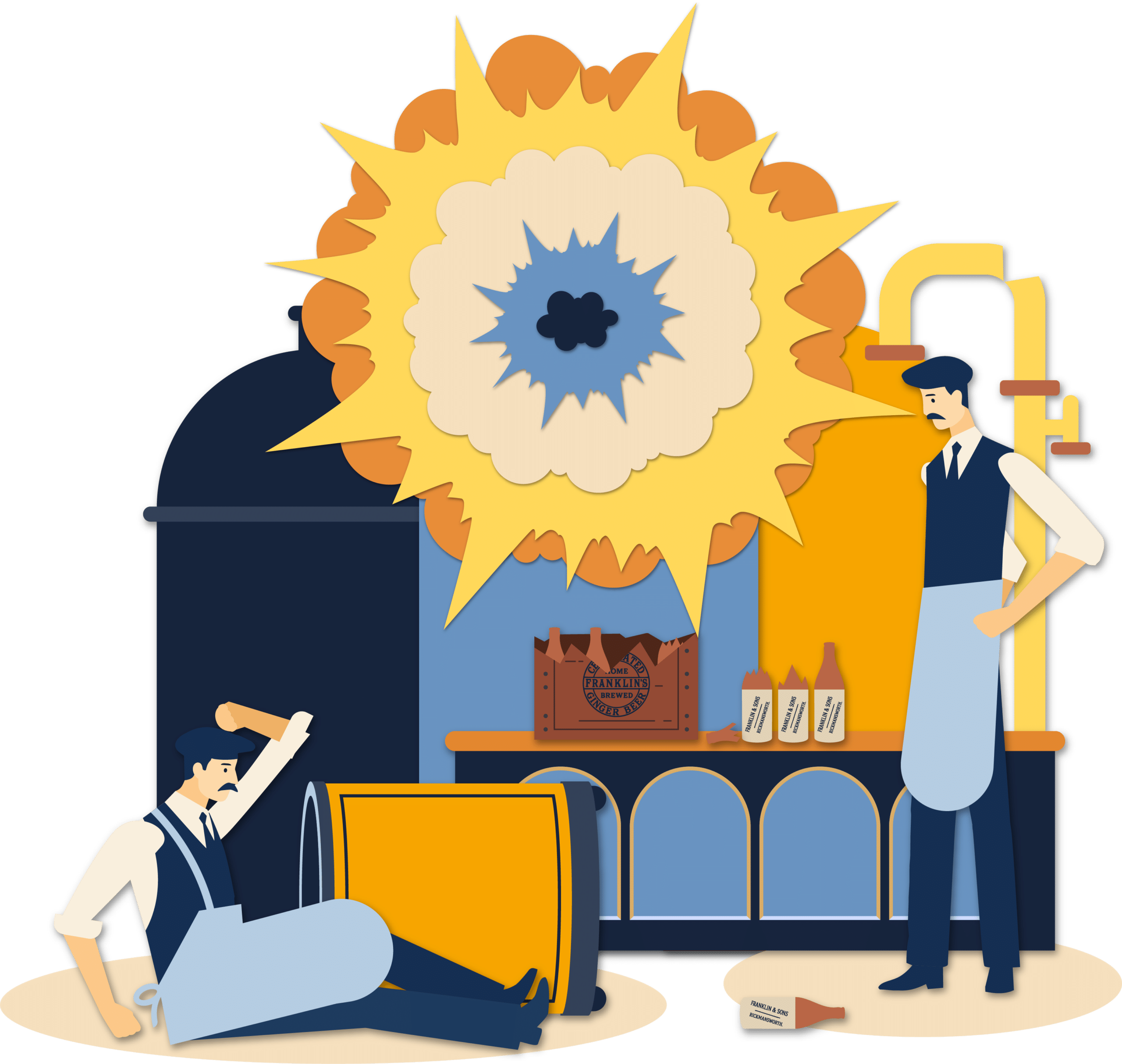
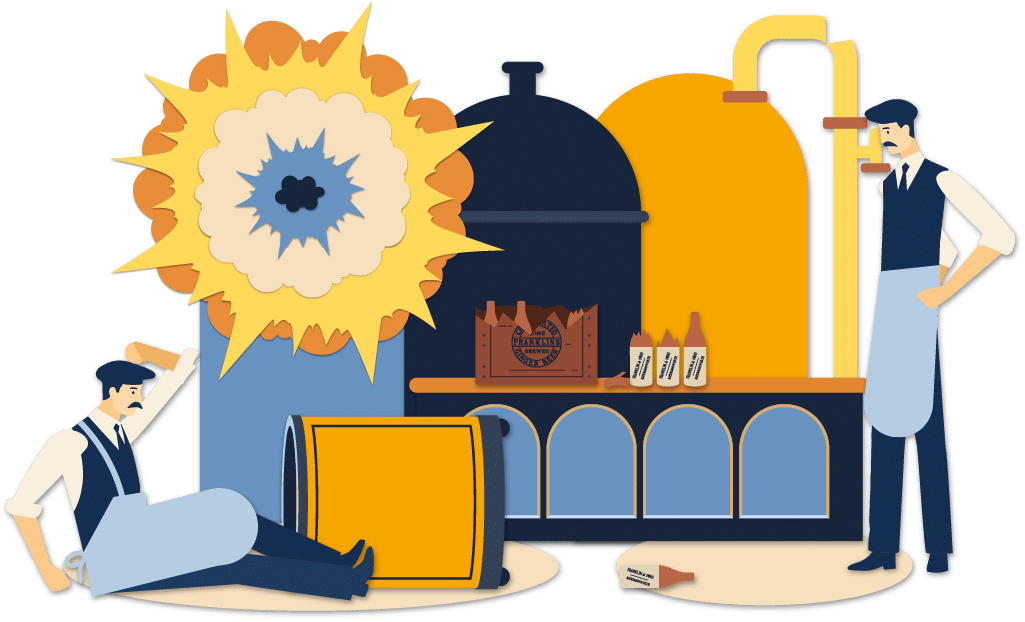
In 1905, the Rickmansworth factory suffered a fermentation explosion. Without proper temperature control, bottles could over carbonate and explode. So yes, ginger beer was delicious. It was also, at times, quite violent.
1910
One minute, soft drinks. Next minute, civil duty
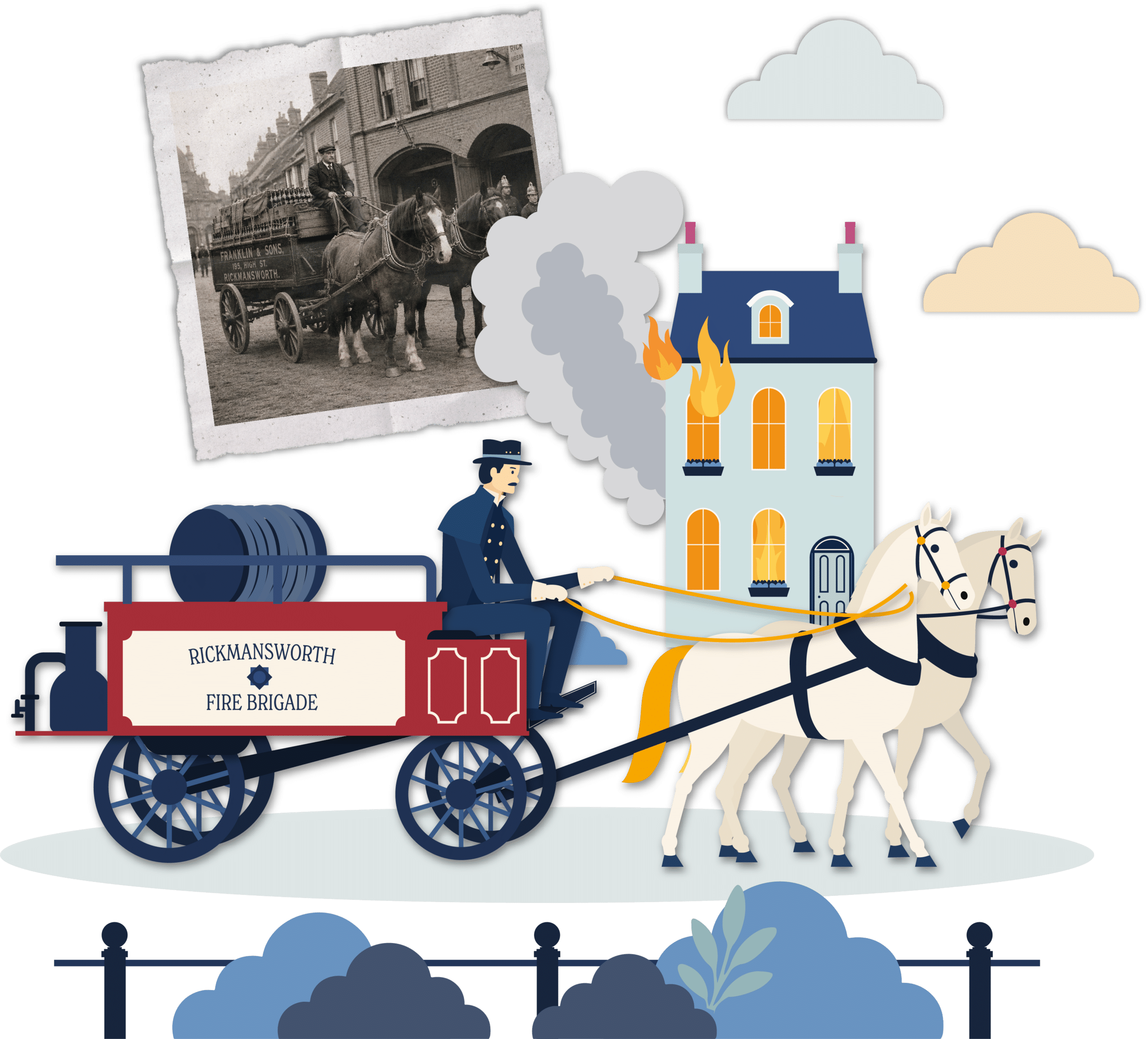
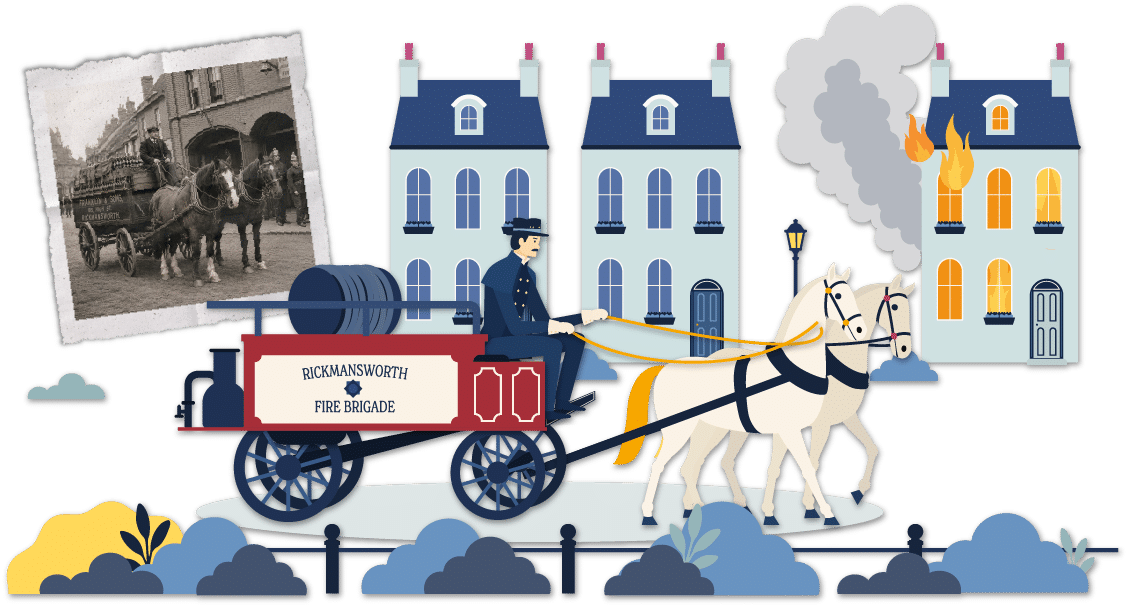
Their drinks were delivered on horse-drawn drays across Hertfordshire and London. But the remarkable thing is that those same horses also served the local fire brigade. It is such a good image.
1914
…and then there was only one
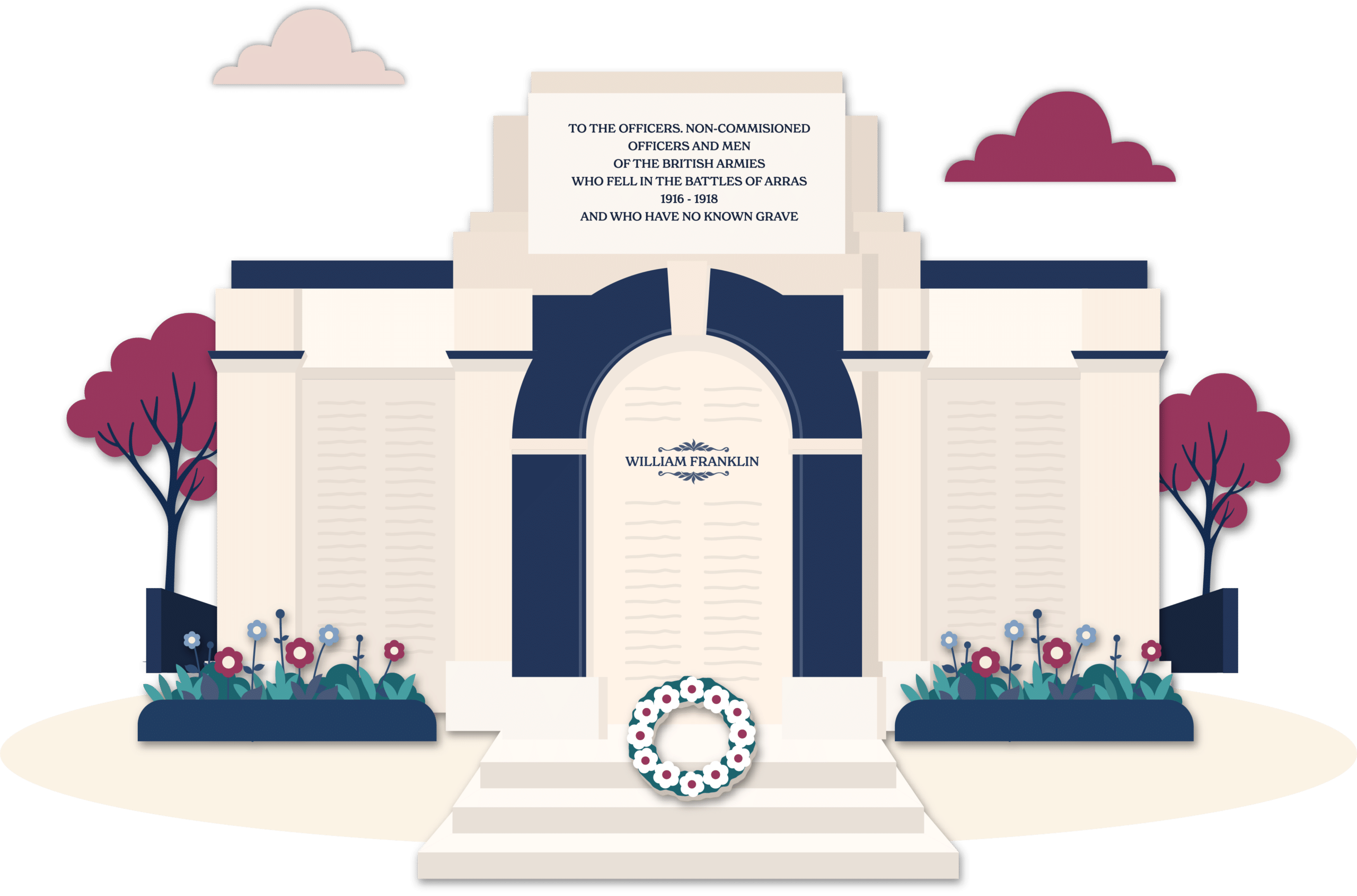
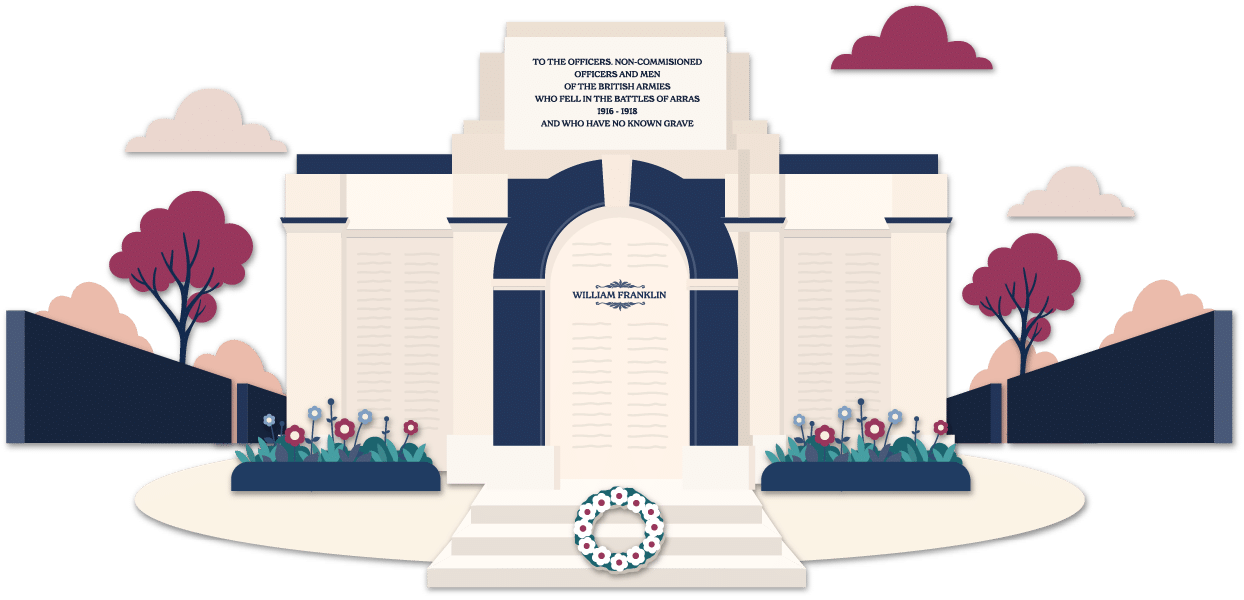
The horse-drawn days were replaced by motorised lorries, which revolutionised the business. Then William and James Franklin were enlisted, with sadly only James returning to continue work alongside his brother, Fredrick Jr.
1920
Soft drinks and socialising on the rise


The 1920s and 1930s brought major growth in soft drinks. People were back to socialising and being leisurely. Franklin & Sons expanded it’s flavour range with Cherryade, Limeade and Cream Soda.
1940
Then the war arrives and nothing is small anymore
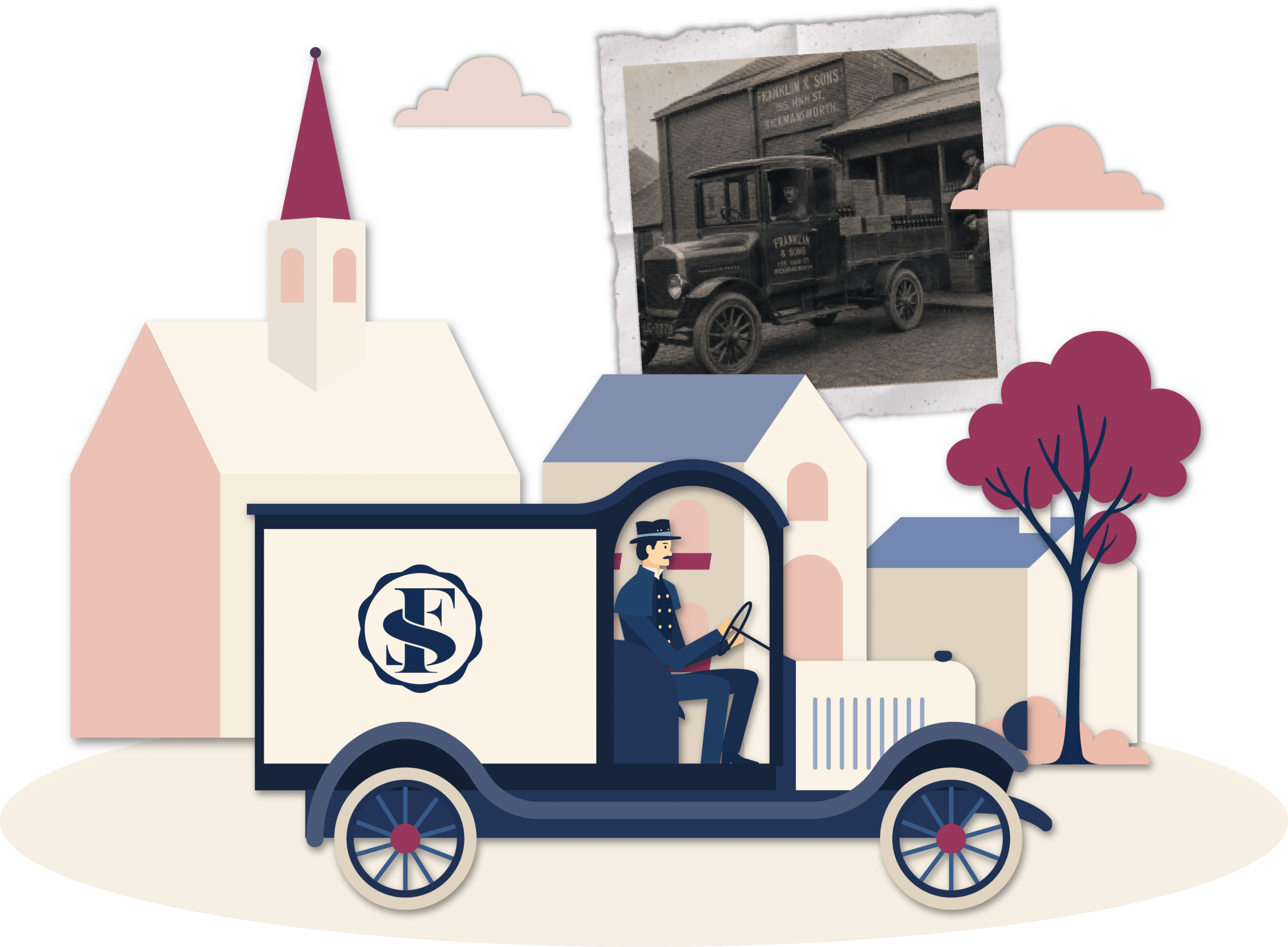
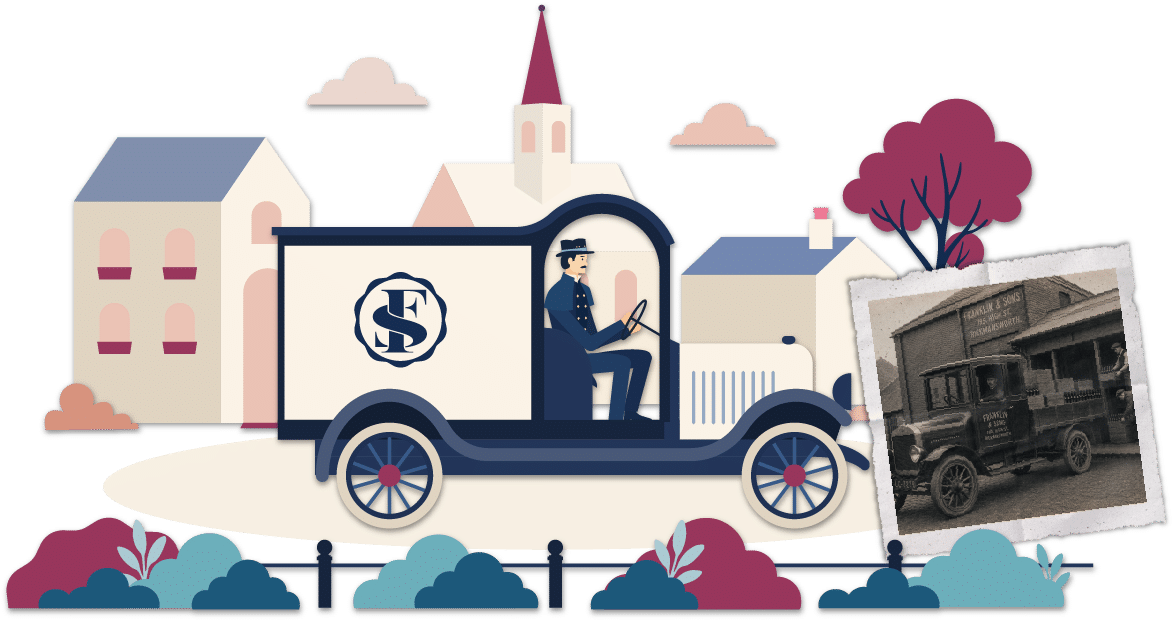
Mid-century Britain was not especially kind to independent soft drinks businesses. Bigger brewers began controlling large numbers of pubs and dictated what could be sold through them. James and Fredrick Jr leaned into distribution, securing a strong local network delivering cider and even other soft drinks brands.
1953
A time to celebrate with a soft drink
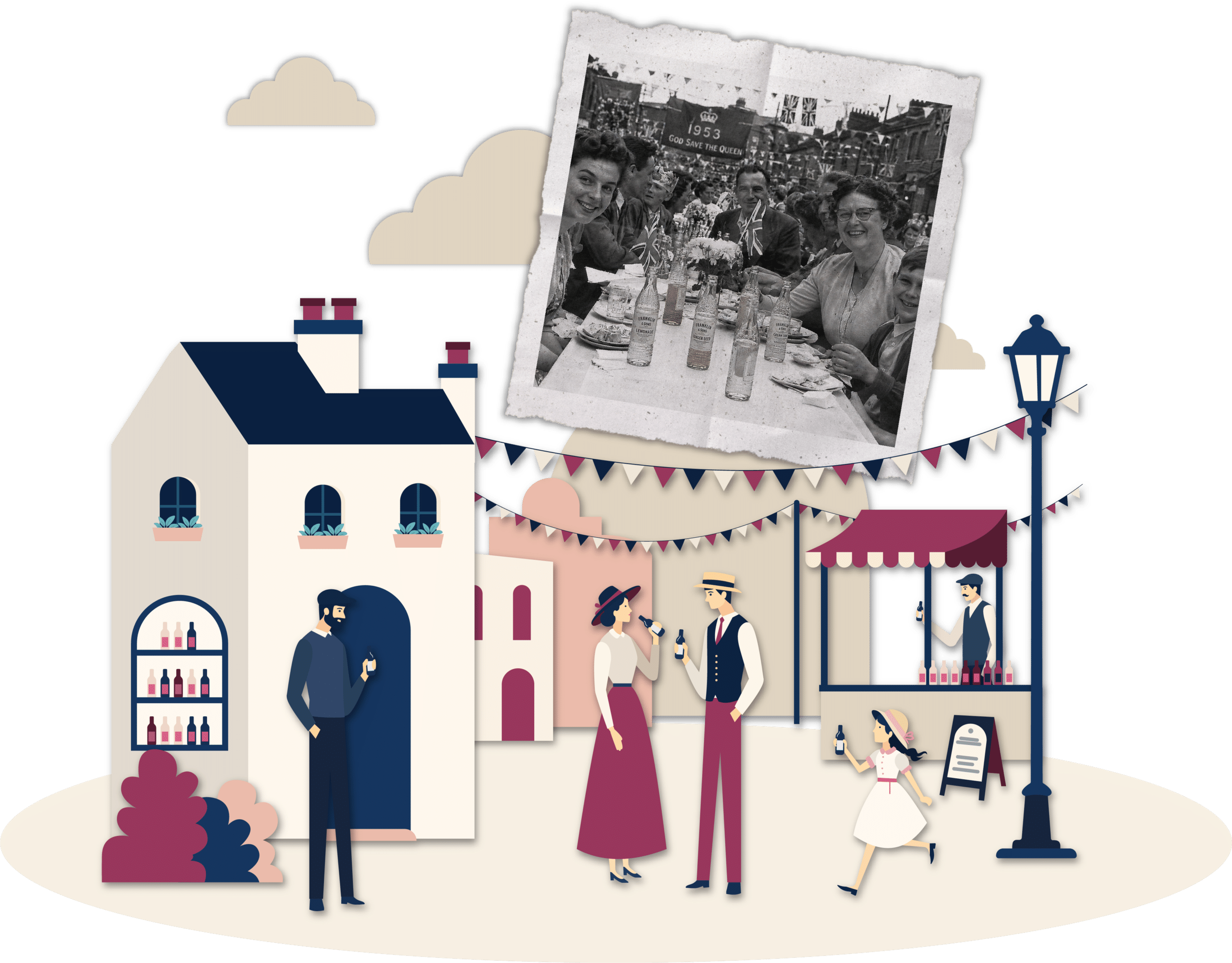
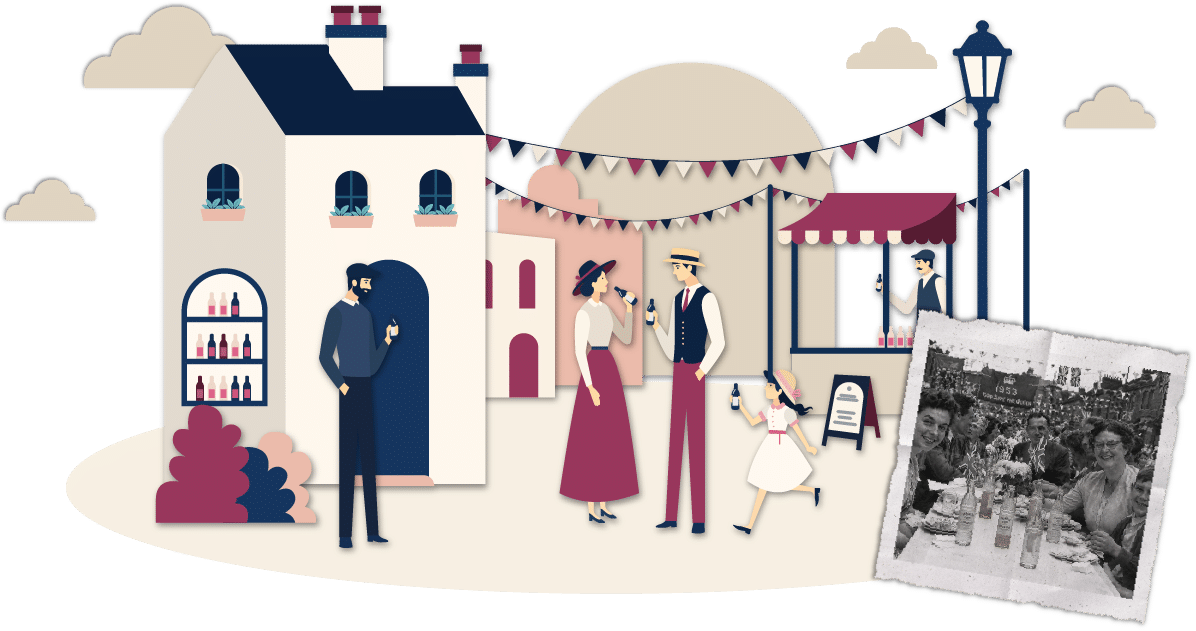
Franklin & Sons was well established into the London lifestyle and our iconic bottles were visible at street parties all across the UK.
1989
The bottles stopped, the name went quiet
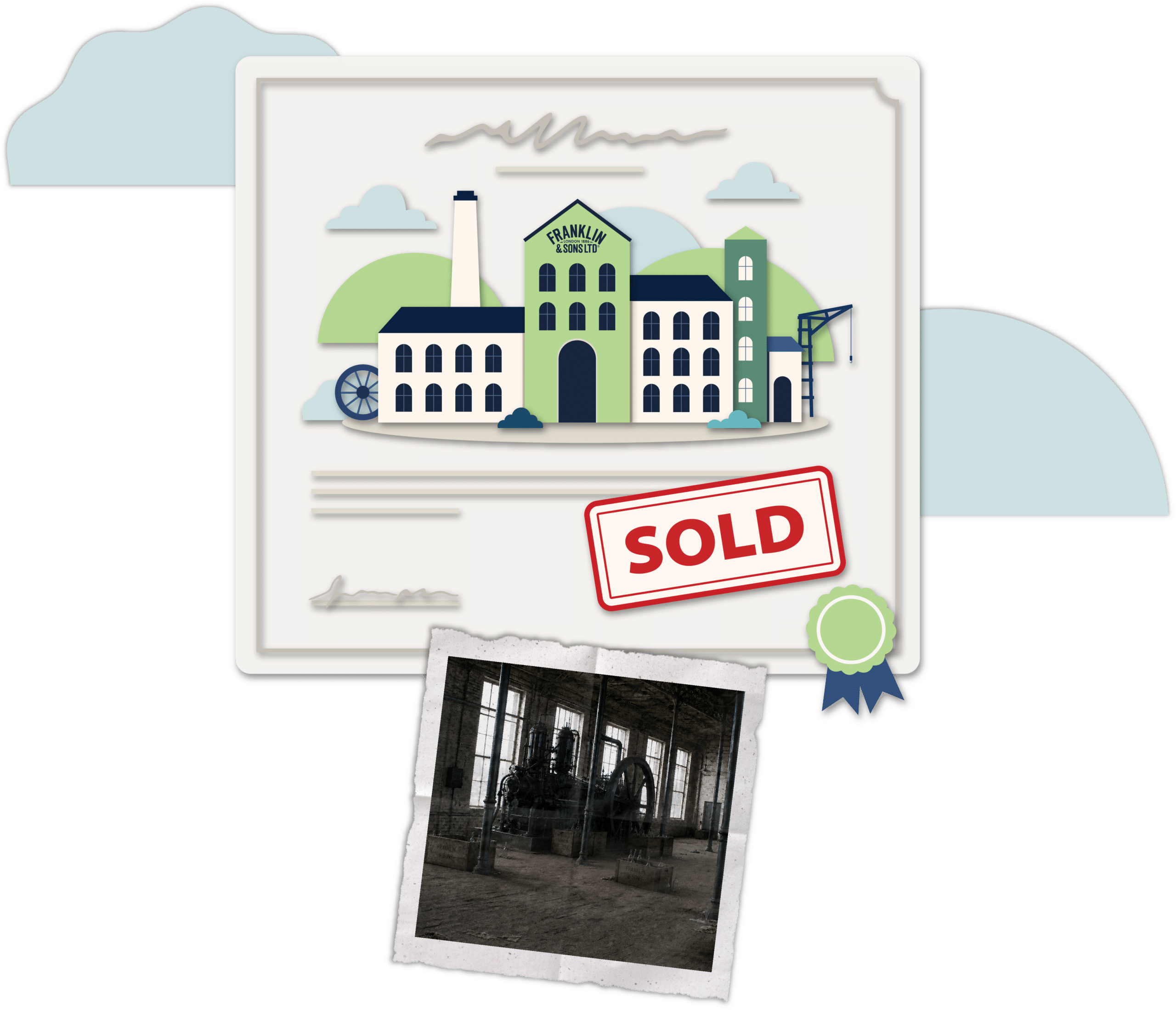
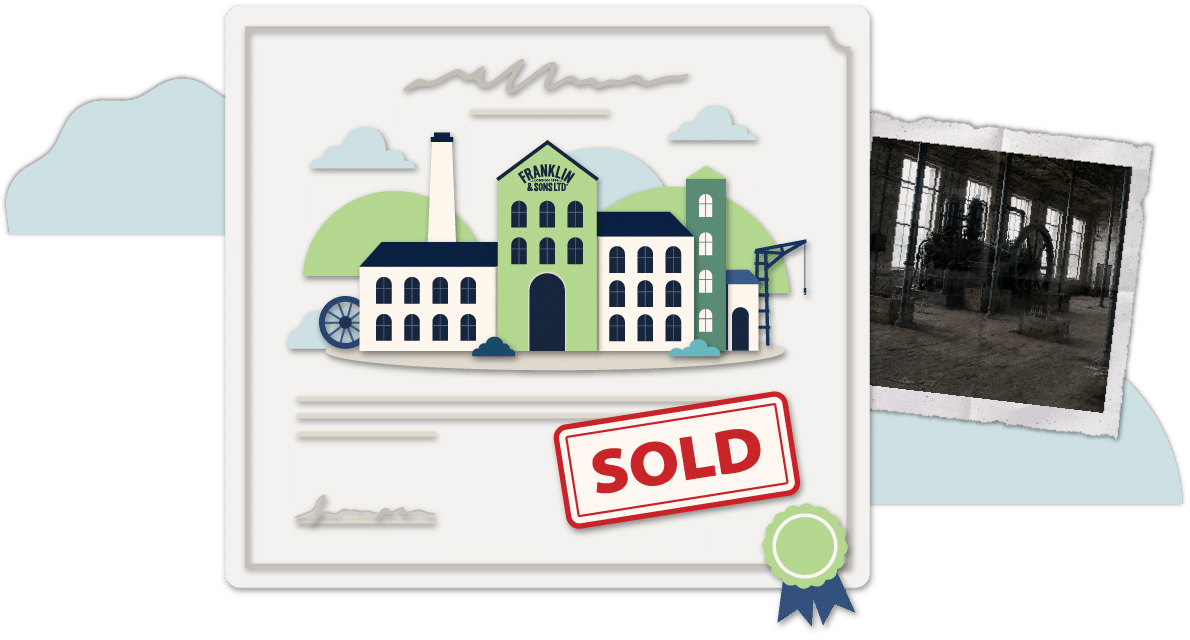
After more than a century of continuous family led operations, the Rickmansworth mill ceased trading. The bottles stopped, the name went quiet.
2015
Franklin & Sons, back to life!
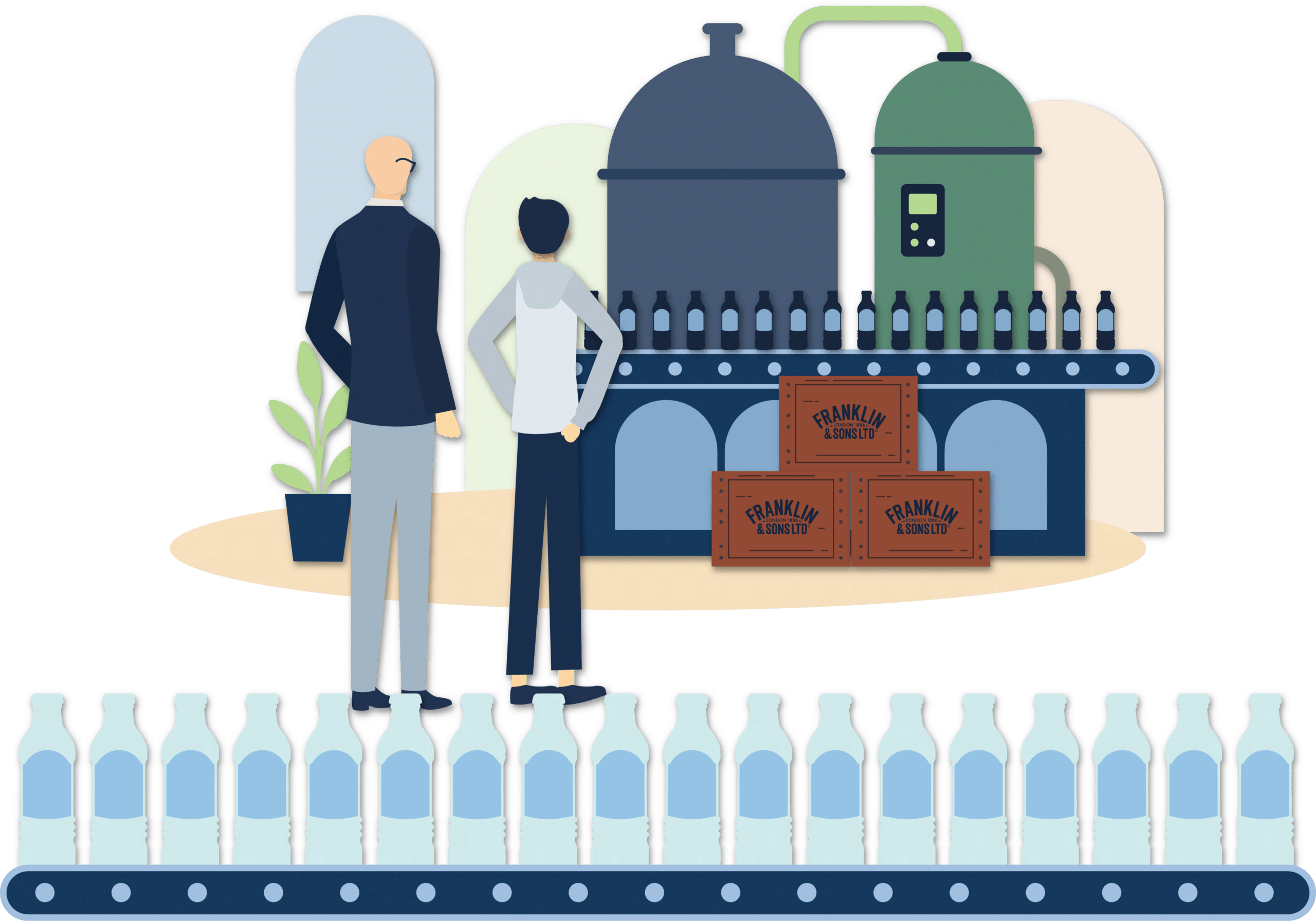
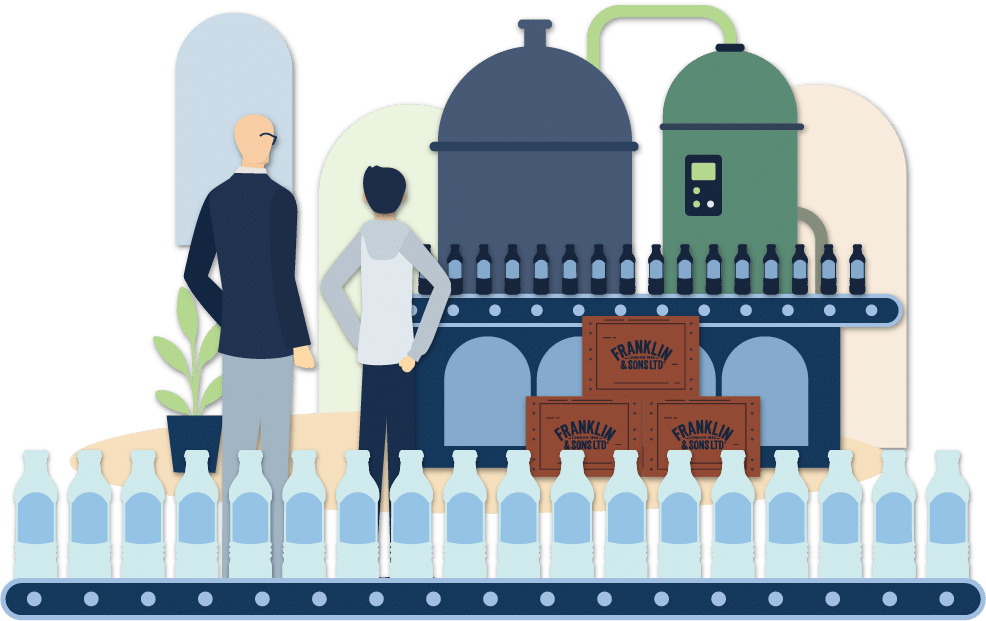
Jumping forward again, as we all know, in 2015, an entrepreneurial Steve Perez brought the brand back to life, maintaining family ownership and that pioneering attitude.
Today
Which brings us to now
140 years of pioneering excellence, 140 more years to come.
The next chapter is ours to write
